

Lipid Licensing
Access to formulation expertise and proprietary lipid library to streamline drug development
Overview
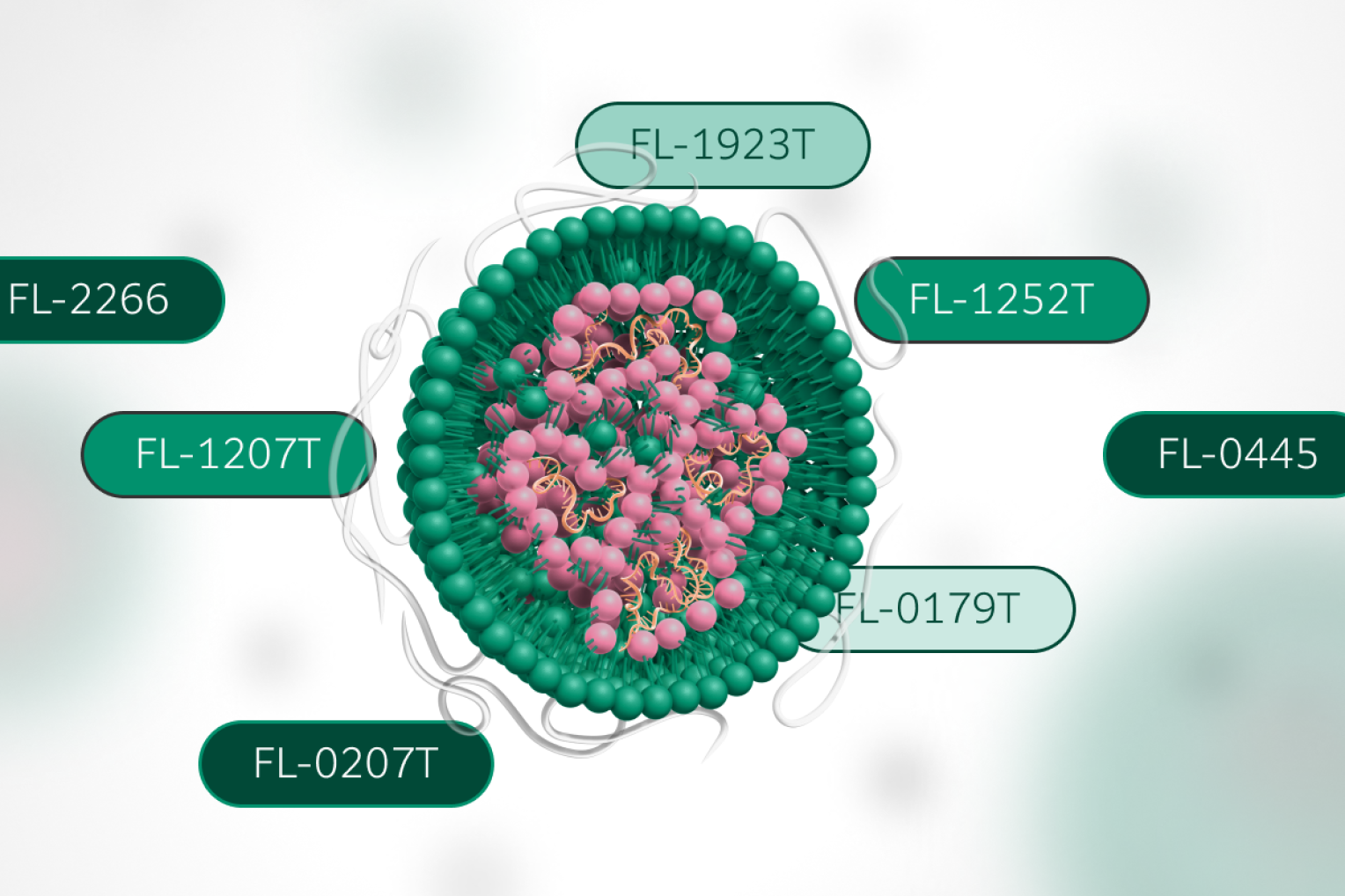
Safe and effective delivery of mRNA into target cells offers promising therapeutic possibilities. Ionizable lipid-based nanoparticles represent one of the most advanced nonviral vectors for efficient delivery of nucleic acids.
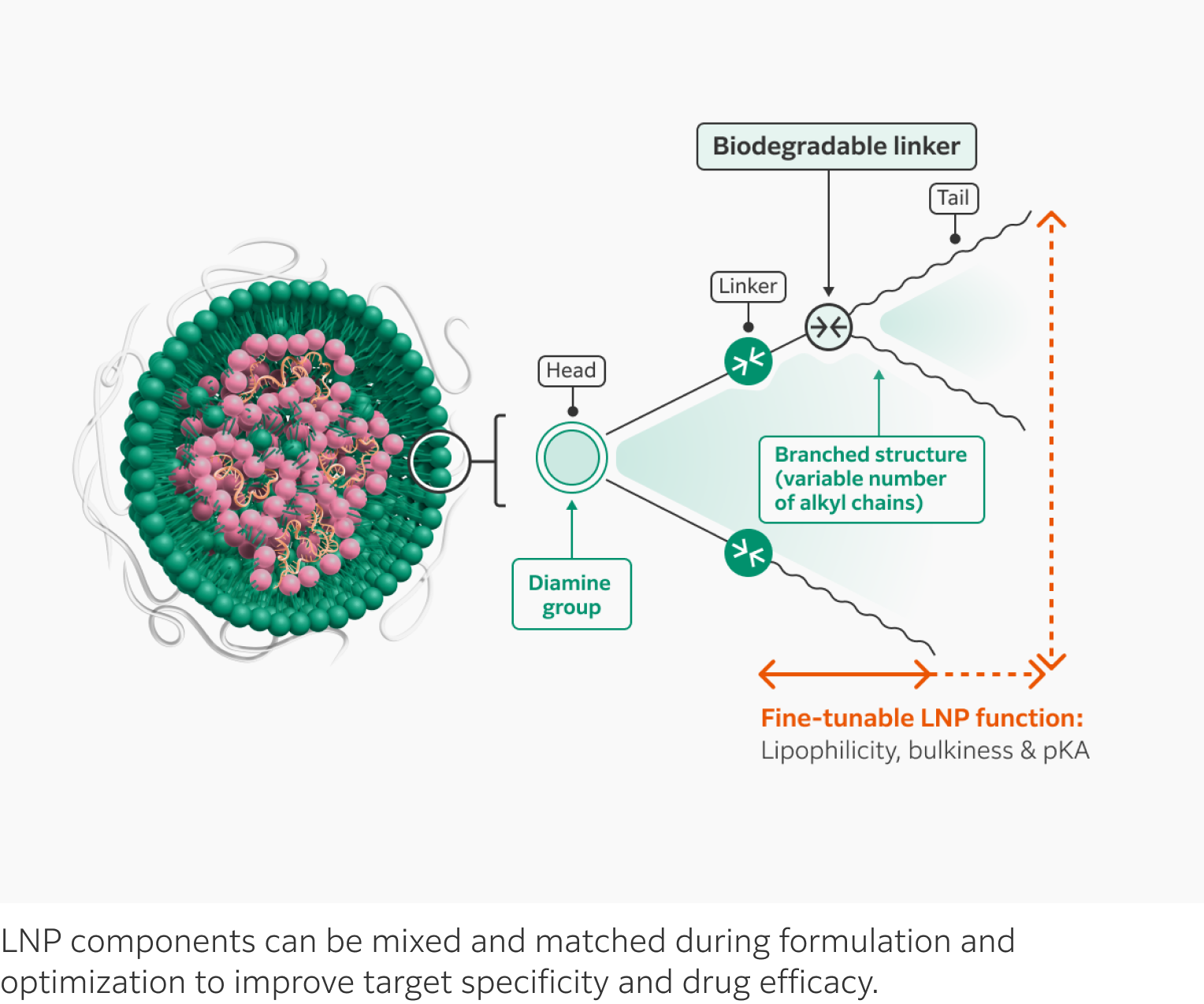
Ionizable lipid design can influence LNP encapsulation efficiency, biodistribution, and therapeutic effects. Fujifilm has designed and characterized a wide array of lipid molecules to accelerate synthesis and empower advanced research and drug development.
Lipid Library
Ionizable Lipids
Ionizable lipids remain neutral at physiological pH and are protonated in acidic conditions. As key components of LNPs, ionizable lipids promote membrane destabilization and facilitate endosomal escape to improve biocompatibility and reduce toxicity.
Learn more about Fujifilm’s CDMO services for LNP formulation development using proprietary ionizable lipids.
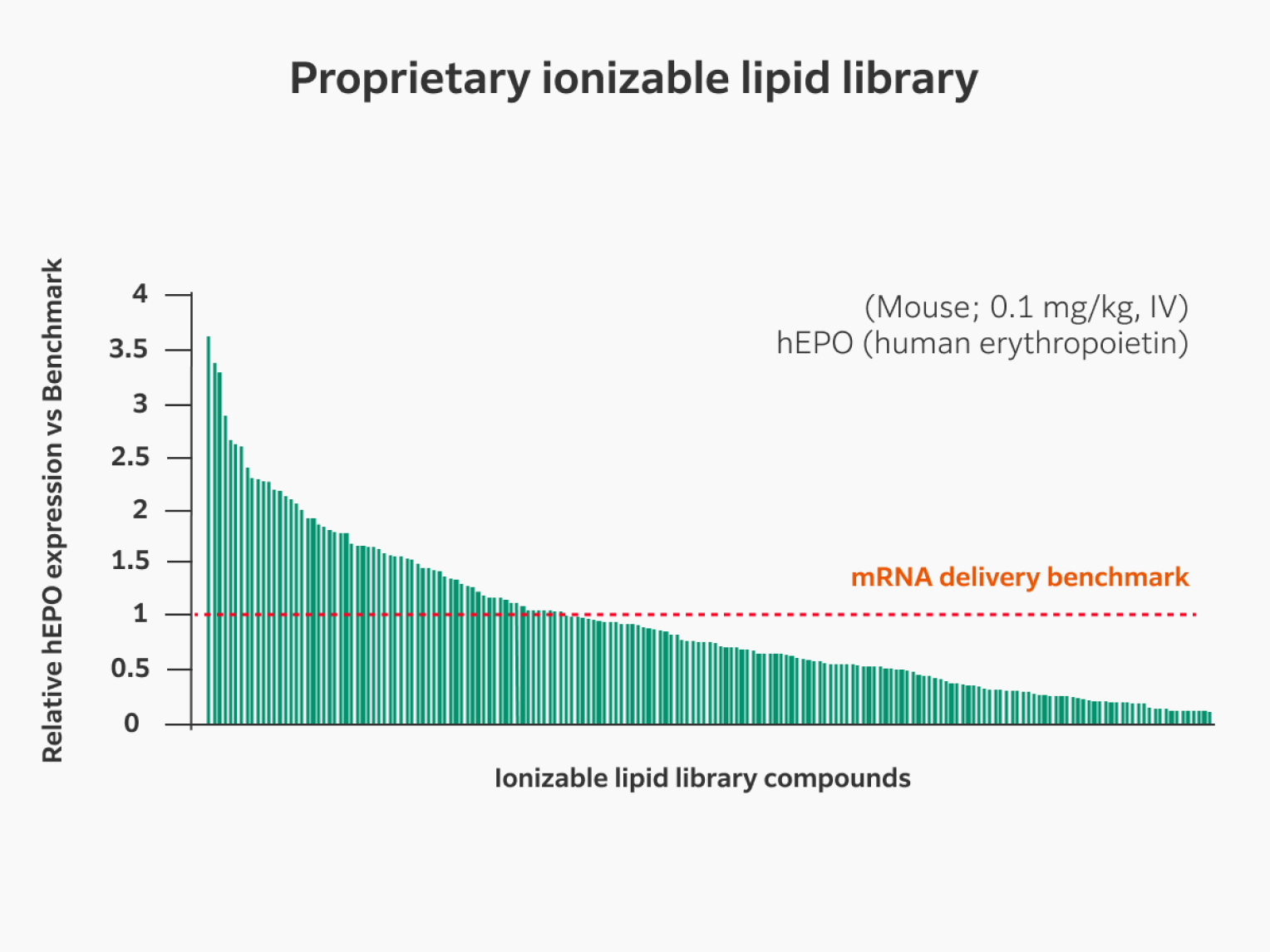
Fujifilm has designed and characterized over 500 different ionizable lipids, many of which exceed benchmarks in in vivo mRNA delivery studies.
As we continue to build and expand our lipid library, we offer CDMO services and out-licensing to LNP formulation development partners.
Proprietary Ionizable Lipids
These candidate lipids show improved efficiency and biodistribution and comparable safety compared to commercially available LNPs in various application studies.
| Route | Lead Lipid | GMP Mfg. | IP | Remarks |
|---|---|---|---|---|
| IM vaccine | FL-0445 | Established | Issued | Clinically experienced in thousands of subjects |
| IV hepatic | FL-1245T | Per request | Pending | Effective and tolerated at high dose in NHP |
| IV extra-hepatic | FL-1779T | Per request | Pending | Liver de-targeting / Ligand conjugation |
Other lipids are also available.
Application Studies
FL-0445
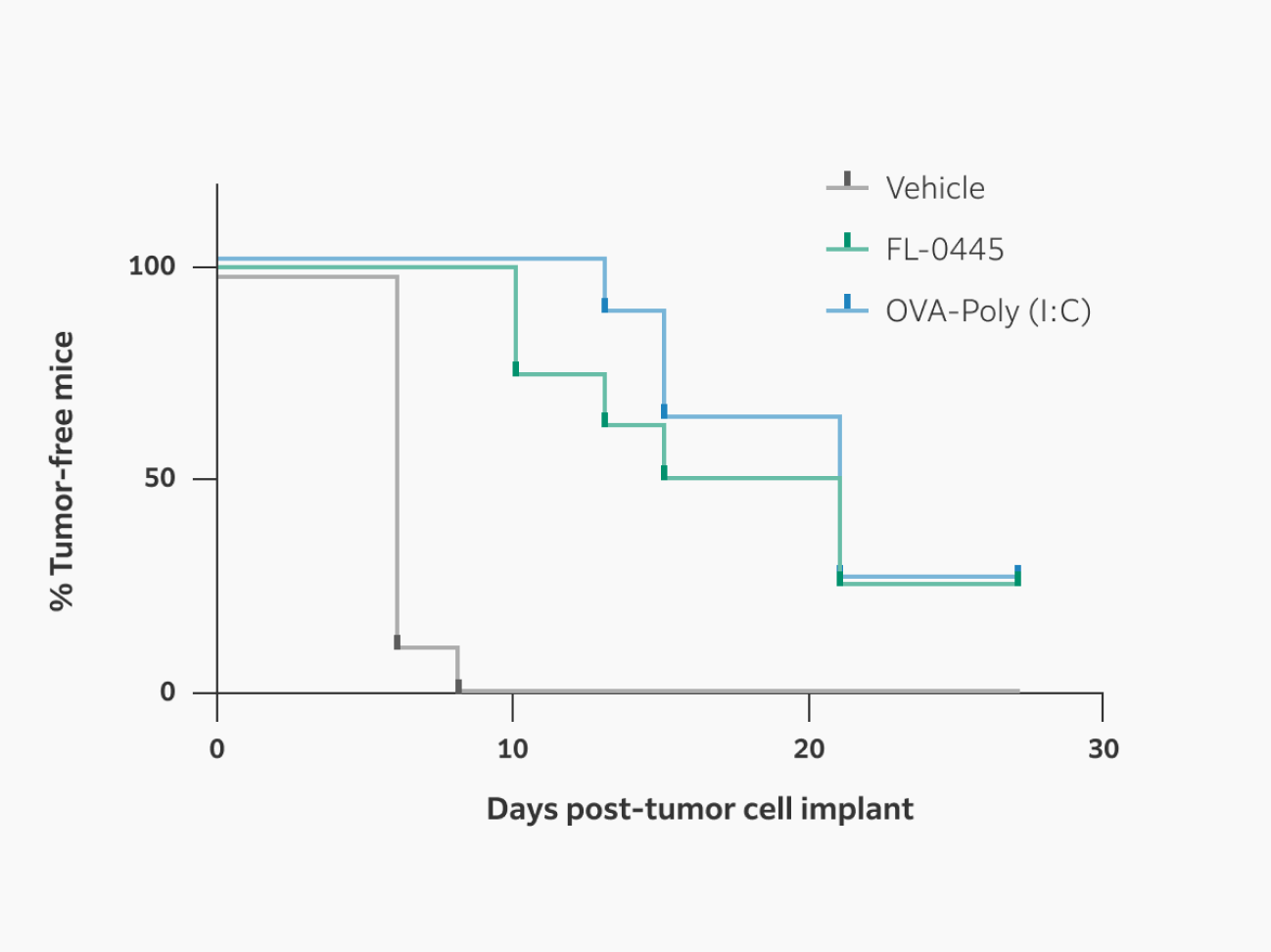
Prophylactic immunization with Fujifilm FL-0445 LNP induces anti-tumor immunity
C57BL/6J mice (N=8 per group) were treated with OVA mRNA (TriLink, CleanCap®) encapsulated in FL-0445 via IM injection weekly for 3 weeks (Day -21, -14, -7), positive control (OVA protein/adjuvant mixture) via SQ injection weekly for 3 weeks (Day -21, -14, -7), or vehicle. Tumor (4 × 10⁵ E.G7-OVA cells) was implanted SQ on Day 0.
Tumor volume and percentage of tumor-free mice post implant were comparable to positive control levels.

FL-1245T
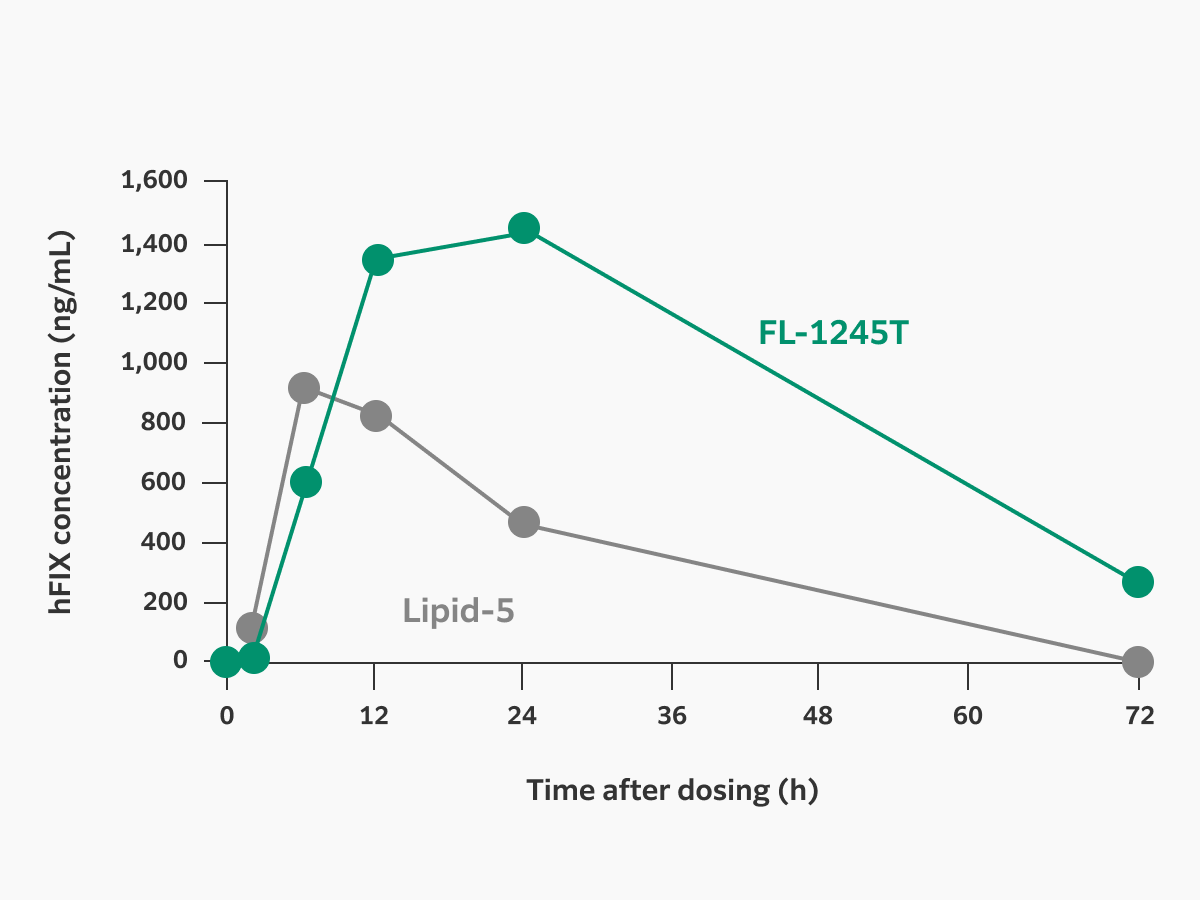
FL-1245T LNP induces higher protein expression and improves PK profiles in monkey
Cynomolgus monkeys (male, 4 y, N=2) were treated with human factor IX (hFIX) mRNA encapsulated in Lipid-5 or FL-1245T LNP (1 mg/kg, 1 h, IV infusion).
FL-1245T LNP induced higher hFIX expression than Lipid-5 LNP.
FL-1245T
FL-1245T LNP increased liver enzymes and cytokines milder in monkey
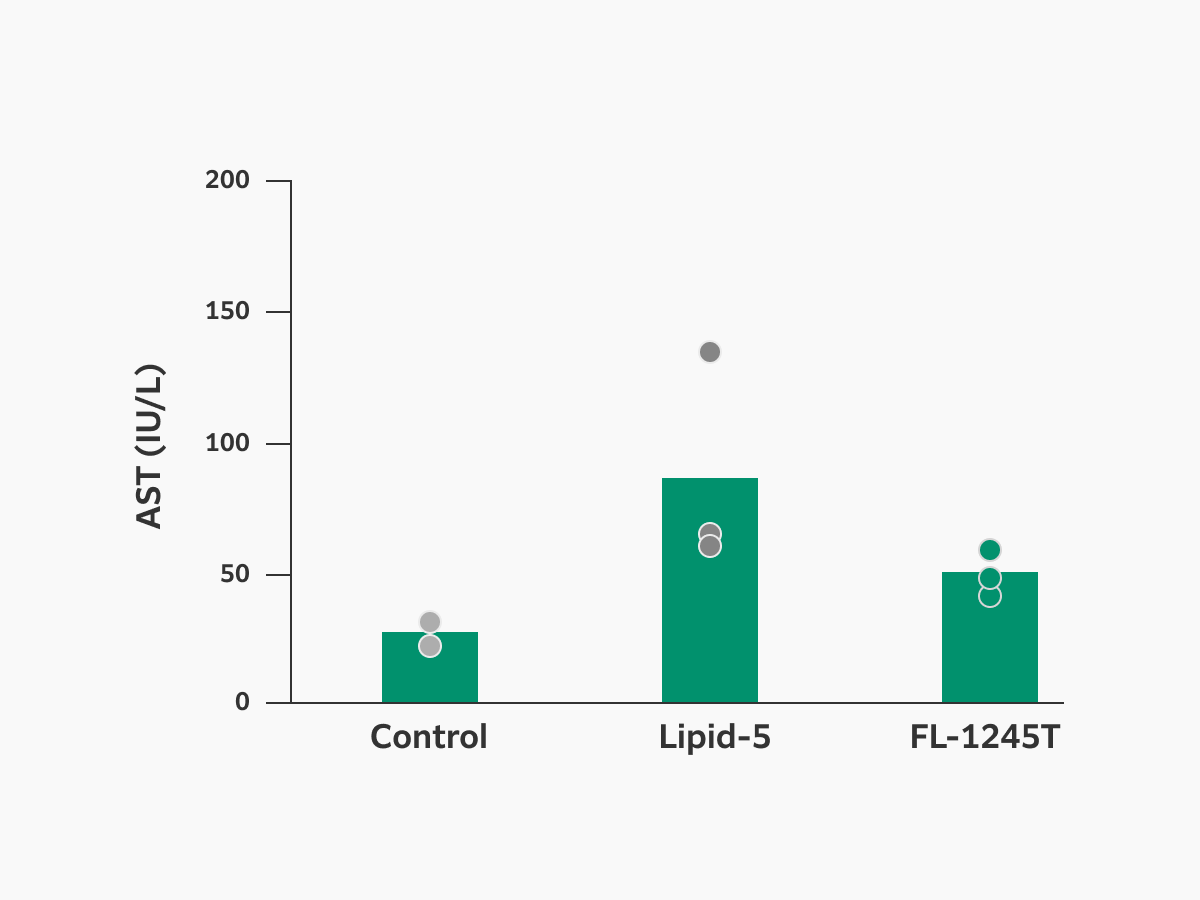
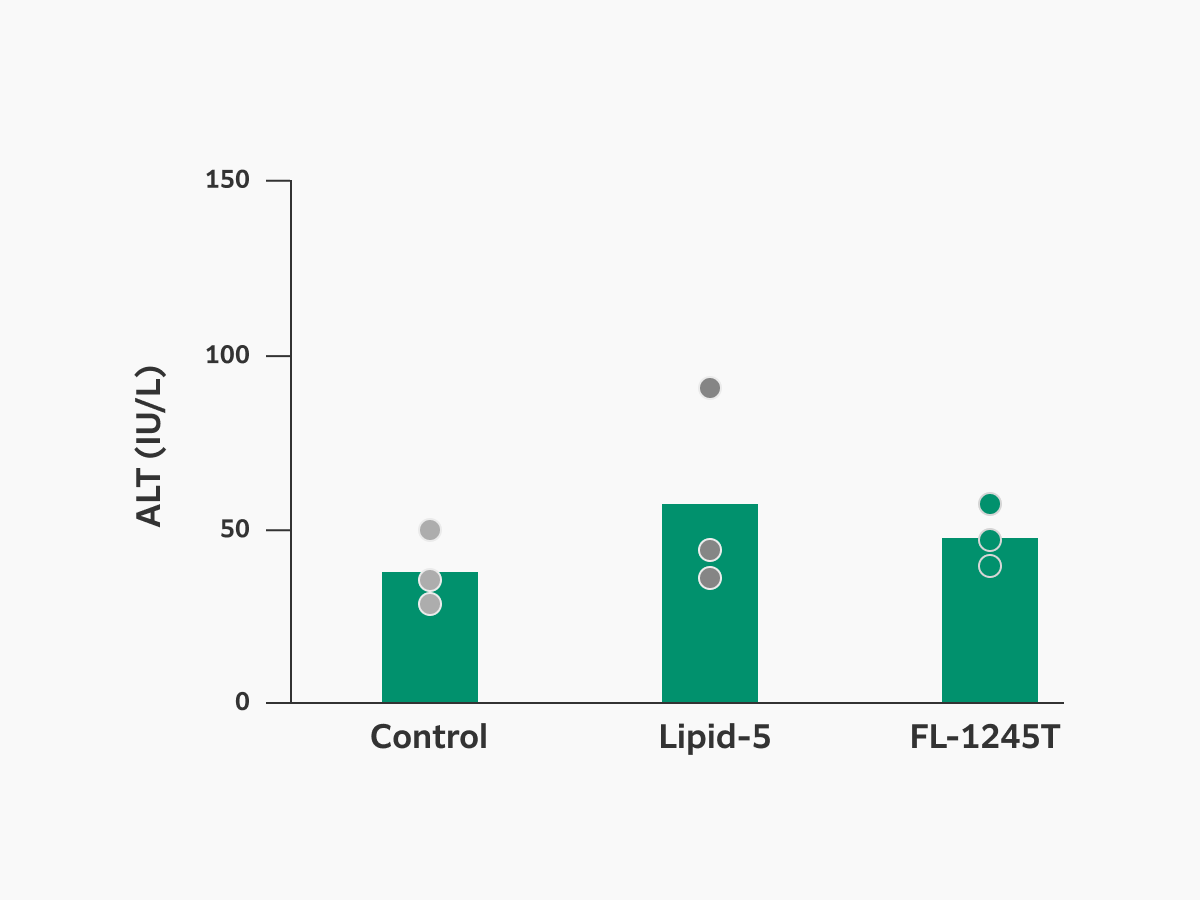
Cynomolgus monkeys (male, 4 y, N=3) were treated with human factor IX (hFIX) mRNA encapsulated in Lipid-5 or FL-1245T LNP (1 mg/kg, 1 h, IV infusion).
Elevation of liver enzymes, AST and ALT, in FL-1245T LNP was milder than Lipid-5 LNP at 24 hours after administration. These increases were transient.
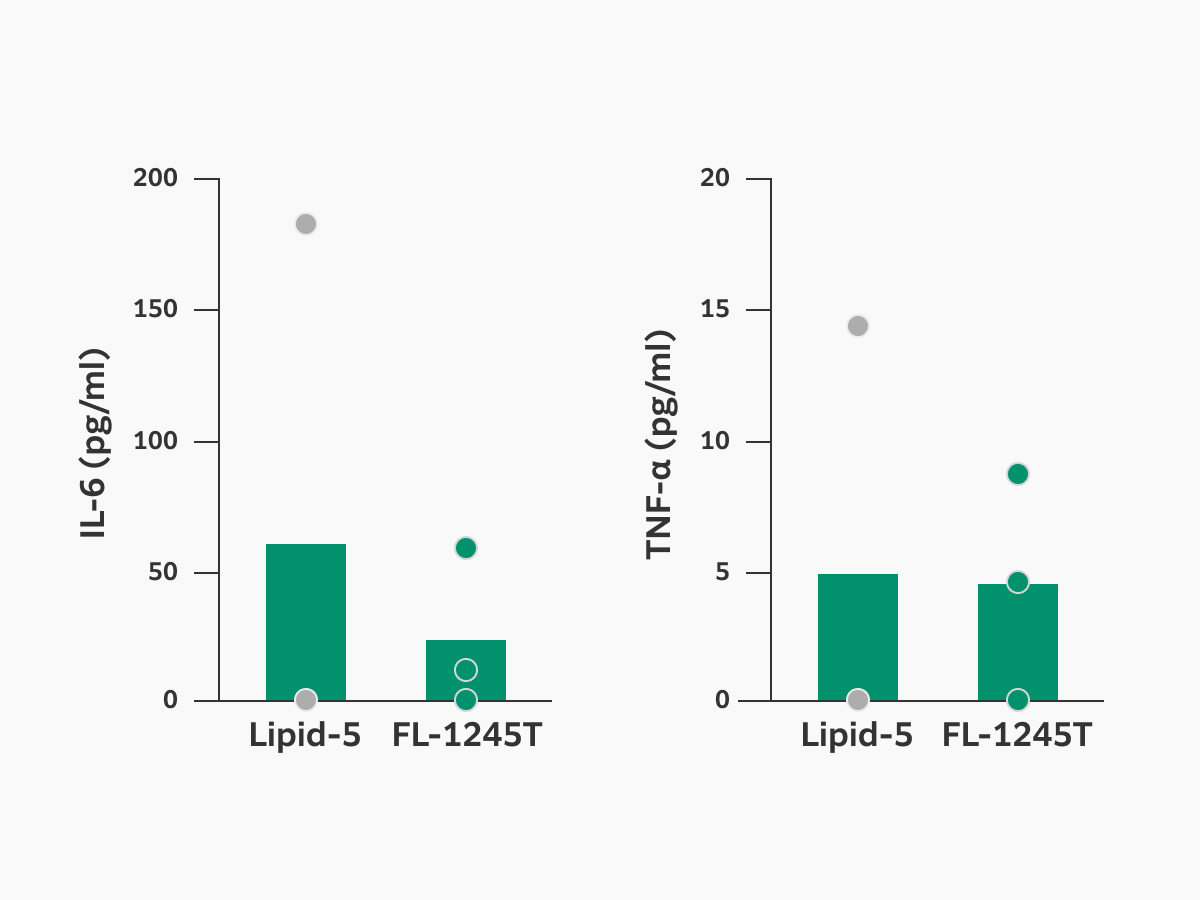
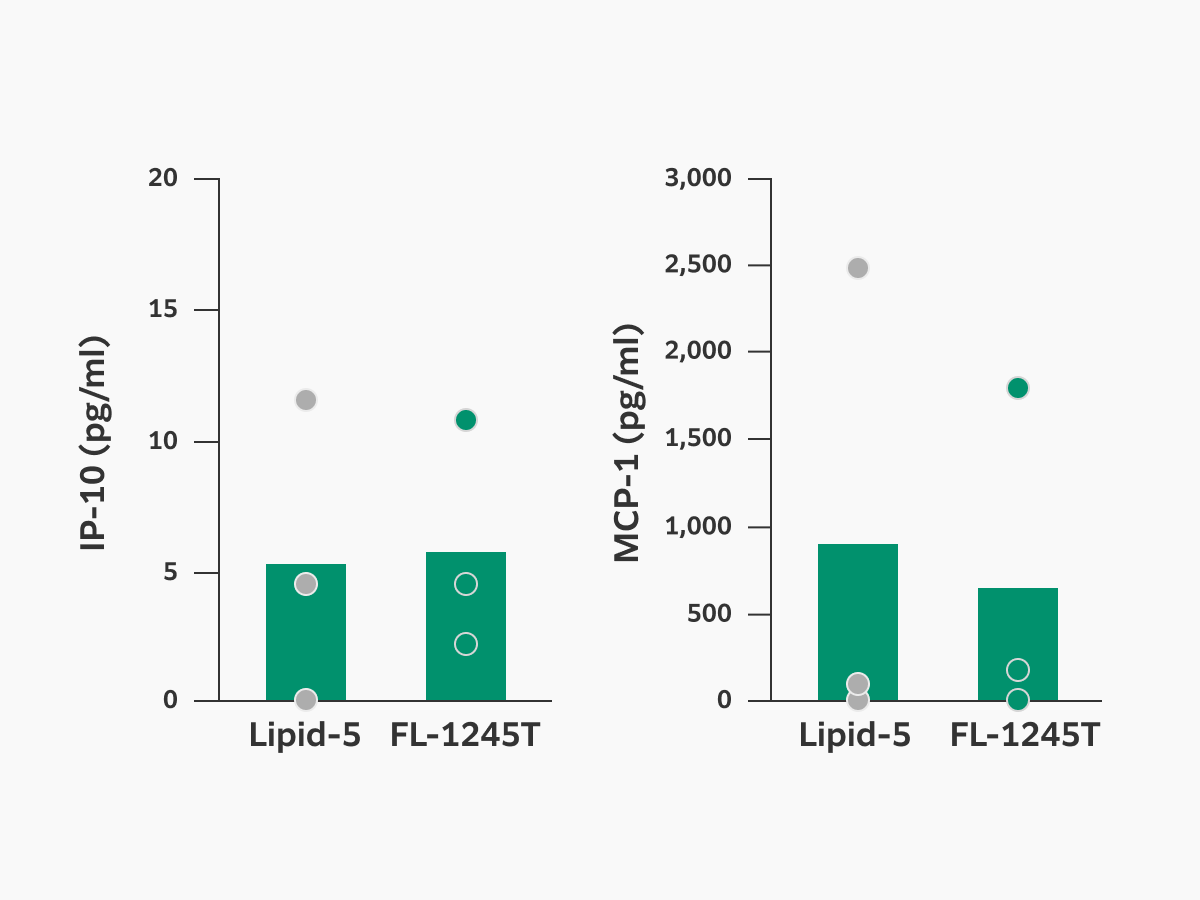
Elevation of cytokines, IL-6, TNF-α, IP-10, and MCP-1, in FL-1245T LNP was milder or comparable to Lipid-5 LNP at 2 hours after administration. These increases were transient.